July 2, 2026
AI Voice Receptionist: Does It Actually Sound Human on the Phone?
An AI voice receptionist answers every call in a natural human voice, triages the emergency, and dispatches your crew 24/7. Here is how human it really sounds.
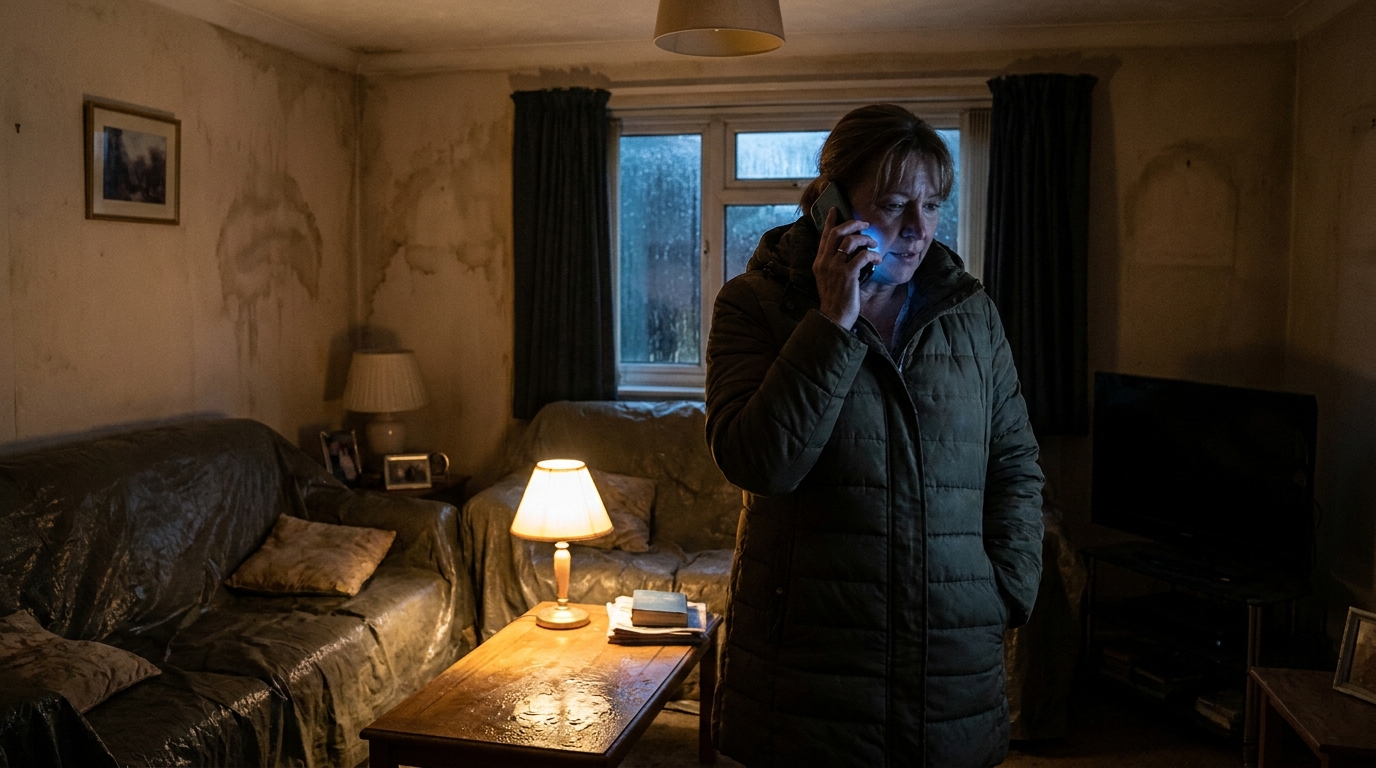
TL;DR: An AI voice receptionist is software that answers your phone in a natural, spoken human voice, holds a real two-way conversation, and books or dispatches the job without a person on the line. In 2026 the good ones reply in under half a second and most callers cannot tell they are talking to AI. For restoration, voice quality is not a nice-to-have. A panicked homeowner standing in water hangs up on anything that sounds robotic, so the voice is what keeps the job on the line long enough to capture it.
If you run a restoration company, you already know the phone is the whole business. The question is not whether an AI can answer it. The question is whether the voice on the other end sounds human enough that a scared homeowner stays on the line instead of hanging up and dialing your competitor.
That is a different bar than most buyer guides measure. They rank tools on features and price. But your callers are not comparison shopping calmly at noon. They are standing in a flooded kitchen at 2 AM, water rising, insurance company closed. The voice that answers has about ten seconds to sound calm, competent, and real, or that caller is gone.
I built RestorationAI.io after my uncle lost an $80,000 condo job to a single missed call. So I look at voice AI through one lens: does it keep the caller on the line and capture the job. Let me break down what an AI voice receptionist actually is, how human it sounds, and what to look for before you trust it with your emergency line.
What is an AI voice receptionist?
An AI voice receptionist is software that answers incoming phone calls in a natural spoken voice, understands what the caller says, and holds a real back-and-forth conversation to book, qualify, or dispatch the job. It is not a phone tree with menu options, and it is not a chatbot. It talks and listens like a person.
The difference from an old-school IVR (“press 1 for sales”) is total. An IVR forces the caller down a menu. An AI voice receptionist just asks, “Hi, this is the answering line for Summit Restoration, what is going on at the property?” and then reacts to whatever the caller says next. It handles interruptions, changes of subject, and messy real-world speech.
For restoration, the voice is only half the job. The other half is what the AI does with what it hears. A purpose-built system captures the address, the loss type, the source of the water, the insurance carrier, and homeowner authorization, then writes it all into your CRM before the caller hangs up. We break down that full intake-to-dispatch flow in our guide on what an AI receptionist actually does on a restoration intake call.
Does an AI voice receptionist actually sound human on the phone?
Yes. In 2026, most callers cannot tell they are speaking with an AI on a routine call, with blind tests showing 85 to 95% of people cannot distinguish a modern AI receptionist voice from a human. The robotic, stilted voices from a few years ago are gone. The make-or-break factor is not the voice itself anymore. It is timing.
Here is the part most buyer guides miss. Human conversation runs on tight timing. Studies of natural speech across languages find the average gap between turns is around 200 milliseconds, roughly the blink of an eye. When an AI takes too long to respond, the caller feels it instantly. Past 300 to 400 milliseconds people sense awkwardness, and past a full second they assume the connection dropped. That is when a panicked homeowner starts talking over the AI or hangs up.
So the real spec to judge is response latency. A voice that sounds gorgeous but pauses for two seconds before every reply will lose distressed callers faster than a plainer voice that answers instantly. The best systems reply in under half a second and use natural filler (“let me pull that up”) so the caller never hears dead air.
In my six years on the truck, I learned the first ten seconds of a loss call decide everything. The homeowner is scared and looking for a reason to trust you. A voice that pauses, stumbles, or sounds canned gives them a reason to hang up. A calm, instant answer gives them a reason to stay.
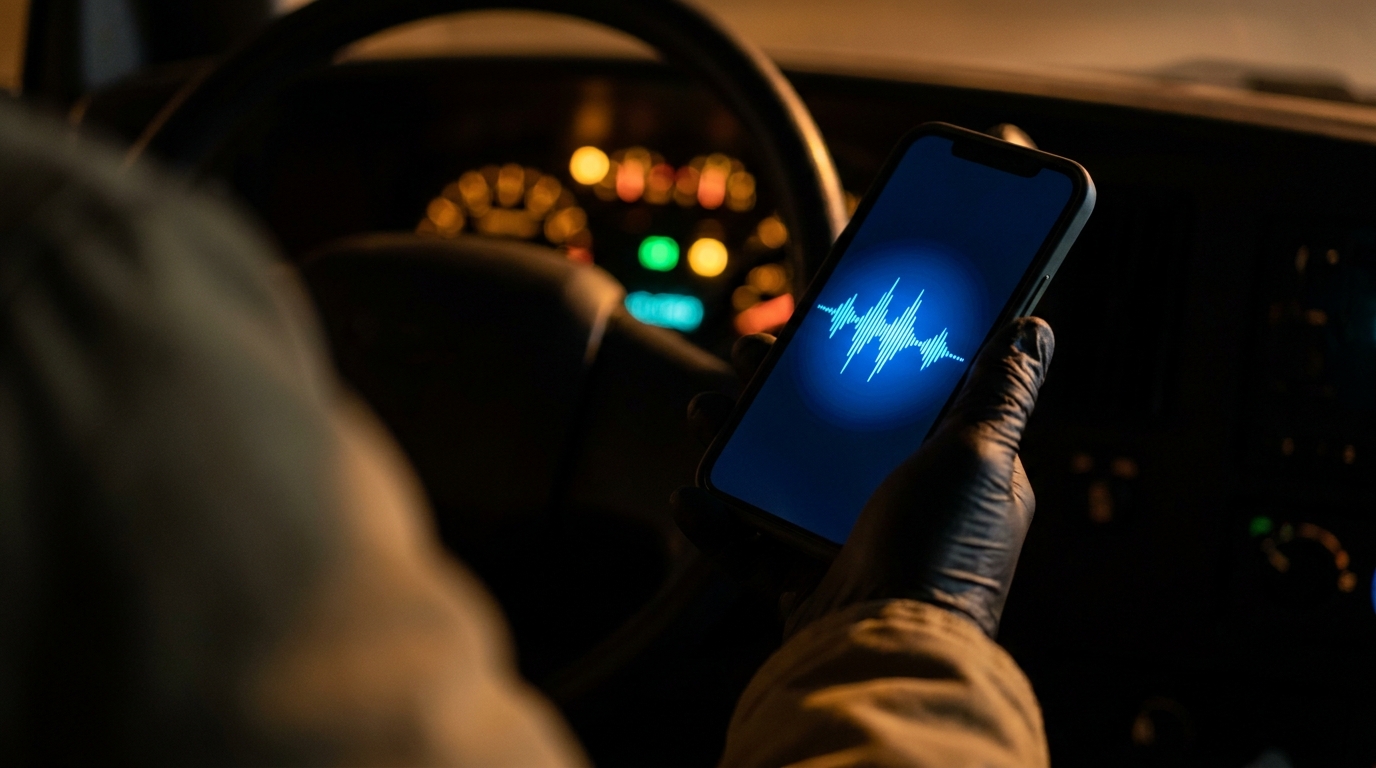 Timing is the tell. Under half a second between turns is what makes an AI voice feel human on an emergency call.
Can an AI voice receptionist handle emergency calls?
Yes, and emergency intake is where a purpose-built AI voice receptionist actually beats a generic human operator, because it never panics, never gets tired, and asks the exact right triage questions on every single call. Speed is the emergency experience. A caller standing in water does not want empathy first, they want an instant answer and a confirmed arrival time.
That matters because of how emergency callers behave. Small businesses answer only 37.8% of incoming calls, sending the other 62% to voicemail, and 85% of callers who hit voicemail never call back. For restoration, the after-hours and storm calls are the biggest jobs of the year. An AI voice receptionist answers all of them on the first ring, with no hold queue and no concurrency limit. We cover why the night-and-weekend call is the job you cannot miss in our breakdown of the after-hours answering service.
The honest caveat: not every emergency is one an AI should own. Research shows about 6% of calls are true emergencies needing immediate human attention. The right setup is not “AI or human.” It is AI answering instantly, triaging the IICRC water category, and escalating the rare call that needs a person. That way nothing rings out to voicemail, and the one caller who truly needs you reaches a human fast.
How does an AI voice receptionist compare to a virtual receptionist service?
An AI voice receptionist answers every call at once for a flat monthly fee, while a virtual receptionist service is a pool of humans that bills by the minute and can only answer one call at a time. For restoration, the gap shows up hardest during surges, when call volume and lost revenue both spike.
Here is the practical comparison for a restoration owner:
| Virtual receptionist service | AI voice receptionist | |
|---|---|---|
| Who answers | Remote human, one call at a time | AI, unlimited calls at once |
| Availability | Business hours or paid after-hours | True 24/7, no premium |
| Typical cost | $245 to $1,725+ per month, often per-minute | $149 to $299 flat per month, unlimited |
| Storm surge | Overflow hits hold or voicemail | Every call answered instantly |
| Restoration triage | Reads a generic script | Knows IICRC categories cold |
| CRM write-back | Manual notes, later | Automatic, before hangup |
The surge point is the one that costs real jobs. When severe weather hits, contractor call volume can spike 500% in hours, and 68% of homeowners hire the first contractor who picks up. No human answering service is staffed for a 500% spike. An AI has no busy signal. For the full cost-per-booked-job math, see our deep dive on the restoration answering service versus AI comparison.
How much does an AI voice receptionist cost?
An AI voice receptionist for a small restoration company runs about $149 to $299 per month for unlimited calls on a flat plan, which is two to ten times cheaper than a human virtual receptionist service. Human services that bill per minute or per call commonly land between $800 and $2,400 per month once you add after-hours coverage.
But price per month is the wrong number to fixate on, the same way it is with any answering solution. The number that matters is cost per booked job. A live service that is cheaper per minute but misses half your 2 AM and storm calls is far more expensive per job actually won. One captured water loss can be worth thousands on a residential job and tens of thousands on a commercial one, which dwarfs the monthly fee of any answering solution.
At RestorationAI.io, our Leakproof plan starts at $297 a month for 24/7 answering, and the Rapid Response plan at $597 adds dispatch, work authorizations, and visual intake. Even the higher tier costs less than a single missed job.
What should you look for in an AI voice receptionist?
Look for low response latency, clean interruption handling, restoration-specific triage, and instant CRM write-back, in that order. A pretty voice with slow replies or a generic script will lose you emergency calls no matter how good it sounds in a demo. Test it on a real, messy call before you trust it with your line.
Here is the checklist I give restoration owners:
- Response latency under 600 milliseconds. This is the single most important spec and the one most vendors never publish. Call the demo line and count the pause before each reply. If it feels slow to you, it will feel broken to a panicked caller.
- Barge-in and interruption handling. Real callers talk over the AI. A good system stops, listens, and adapts instead of plowing through its script. Test it by interrupting mid-sentence.
- Accent and messy-speech handling. Your callers are stressed and do not speak in clean sentences. The AI has to follow topic changes and heavy accents without losing the thread.
- Restoration triage built in. The AI should ask the right questions to sort a Cat 1, 2, or 3 loss and flag urgency, not just take a message.
- Instant CRM sync and dispatch. The whole point is that the job lands in JobNimbus, Albiware, or Xcelerate and pings your on-call tech before the caller hangs up.
 The four things that separate a human-sounding AI voice from a robotic one on an emergency call.
One last thing worth naming honestly: empathy. Surveys show 71% of people feel human agents show more empathy, and 79% still prefer a human for complex or sensitive issues. That is real, and it is why the answer is not to pretend AI is a person. It is to use AI where speed wins, the instant answer and the triage and the dispatch, and route the rare emotionally heavy call to you. The homeowner whose call would have gone to voicemail is far better served by a calm AI voice at 2 AM than by a callback at 8 AM asking them to re-explain the flood.